In the morning, when I open the front door I’m greeted with the harsh scream of the Buzzard, shortly followed by the caw of the Crows it’s trying to harass, this drama is mellowed by the gentle song of the Thrush and the coo of Wood Pigeons, watching the unfolding masquerade from a safe distance. Coffee poured, the rough pottery mug fitting between my hands, comfortingly, I take a turn about the little cottage garden, still a work in progress. Late summer is here, the hanging baskets are clinging onto life, despite daily watering, as the summer sun had been almost too kind this year. Onwards, and a glance down tells me the slugs have been at the cucumbers again, their etched trails an umber contrast against the bright green fruit. To the side, the tomatoes, brutally beaten into submission by the recent thunderstorms, yet somehow thriving in a floor-carpet of tangled vines, dotted with the occasional yellow offering.
I sit at the garden table, part of an elegantly rusty set sourced in a brocante in rural Gascony, and lovingly repainted before several winters’ exposure offers tiny glimpses of the once-blackened ironwork. The garden is lower than the road and an estate-style fence offers little privacy, but some degree of security. The lane is a one-way street, the few businesses which lie between our farmhouse cottage and the entry to the exquisite Peregrine Path are 9-5, and on weekends the lane sees campers and families, MPV’s laden with bikes.
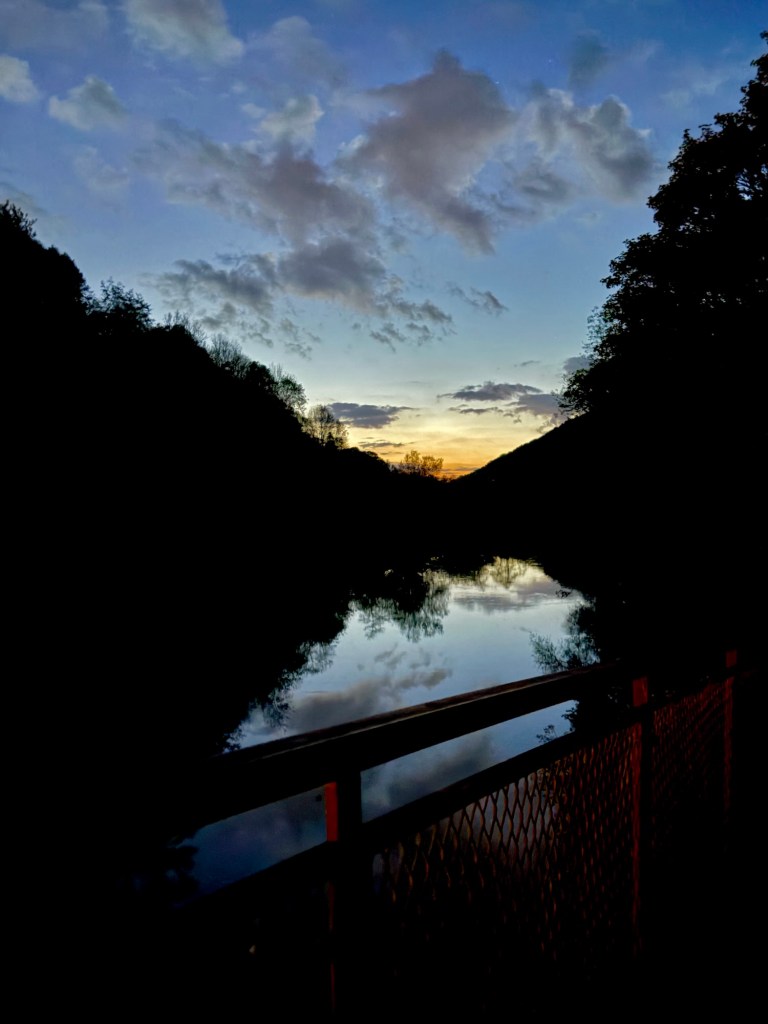
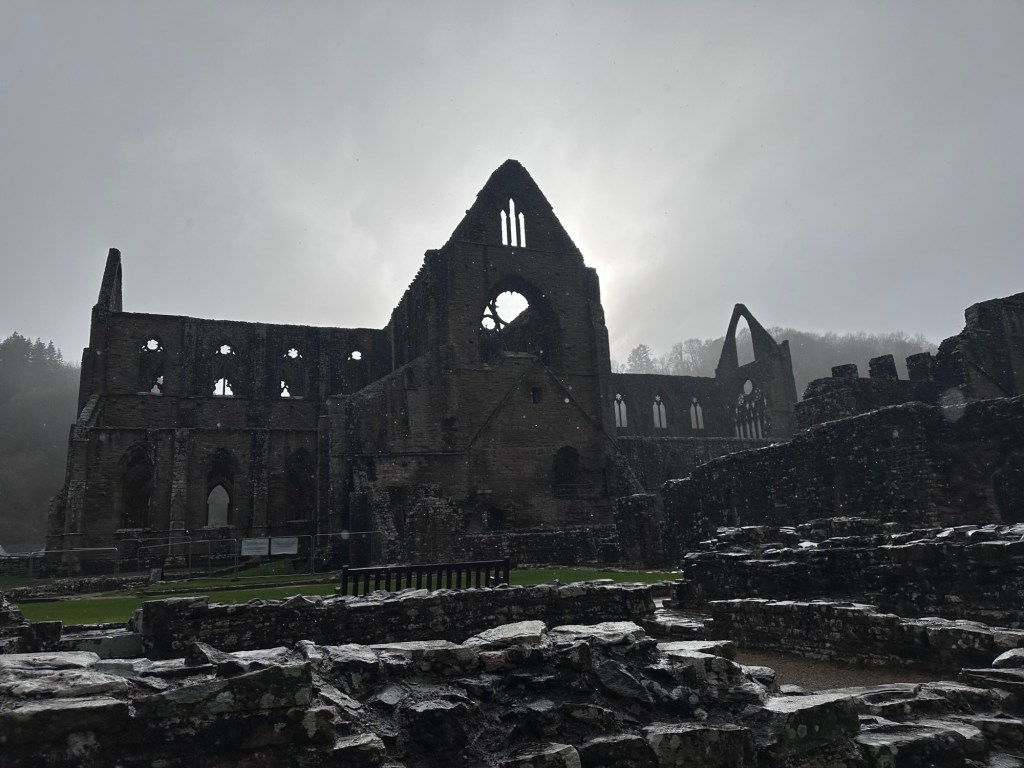
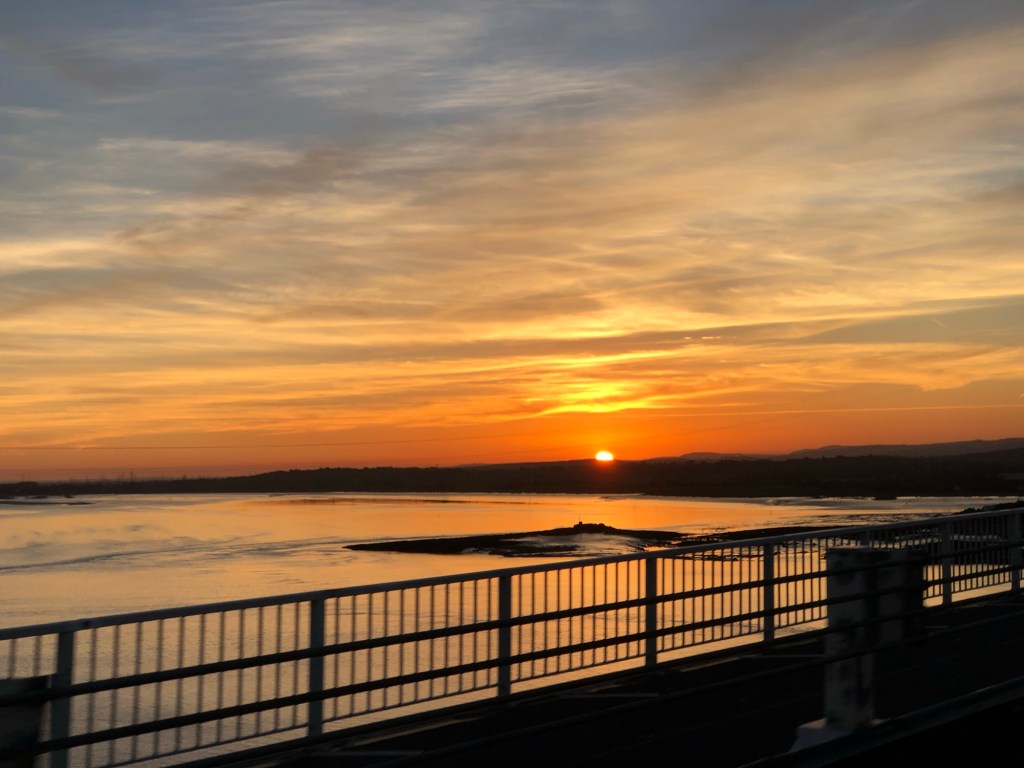
The Wye Valley National Landscape, was designated one of Britain’s Areas of Outstanding Natural Beauty in 1971 and the river itself was one of Great Britain’s earliest tourist attractions. As far back as the late 18th century pleasure boats cruised this majestic valley giving visitors a taste of the legends and lores of this, most mysterious, part of the country, comprising The Forest of Dean which sits on a plateau above the river, the Herefordshire countryside, abundant with crops, which sits to its side, and Monmouthshire, my homeland, in which it nestles. The river processes down through the historic Tintern Parva, with its famed Cistercian monastery, down on past the shadowy fortress, nestled high on the cliff at Chepstow (one of Wales’ earliest stone castles) and finally it joins the Severn estuary in the stark, grey flats, where bird life is in abundance and the murmurations, in the autumn, are a site to be seen. Back to my coffee.
I find living in this place is my inspiration and I really couldn’t imagine being anywhere else. It is my Hiraeth, a Welsh word with no translation but vaguely meaning a nostagia for one’s homeland. It is more than that, it is a longing for the land when you are away, the call of the countryside, the whisper of the river, the belonging, whole, ancestrally and soulfully to one place. In this age of travel and opportunity, remaining still is seen as old fashioned, yet it is in that very mindset that I thrive, living a life dictated by the seasons, the weather, the traditions, enjoying locally-sourced food and drink, and noting all the changes that come along each year, expected or otherwise.
Grounding myself in this land keeps my mind steady and my soul happy.
 The Pheasant Philosopher